



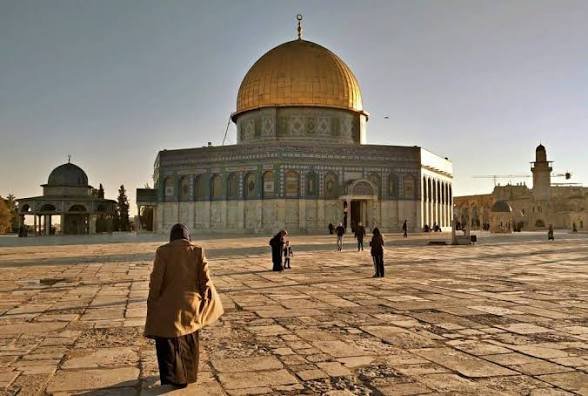
In a development that has sent shockwaves through the Muslim world, reports indicate that the Al-Aqsa Mosque—the first Qibla of Islam—remained closed to worshippers for the Eid-ul-Fitr prayers this year. If confirmed, this marks the first time in approximately 800 years that the historic sanctuary has been shuttered during one of the most sacred days in the Islamic calendar.
An Unprecedented Silence
The sprawling compound of the Noble Sanctuary, which usually hosts hundreds of thousands of faithful for the Eid khutbah (sermon), reportedly stood empty on Friday morning. Local sources describe an eerie silence over the Old City of Jerusalem, as security restrictions and the ongoing regional conflict prevented the traditional mass gathering.
Historical Significance
Historians note that even during periods of significant regional upheaval, the mosque has historically remained a focal point for communal prayer.
The 800-Year Context: The last time such a total cessation of Eid prayers was recorded dates back to the Crusader era or significant medieval plagues.
Emotional Impact: For the global Ummah, the closure of the “Third Holiest Site” is being viewed not just as a logistical hurdle, but as a profound spiritual and symbolic blow.
Global Reaction Social media has been flooded with emotional reactions from Muslims worldwide, ranging from Jakarta to London. Several Islamic organizations and world leaders have expressed “deep concern” over the move, calling for the immediate restoration of religious freedom and access to the holy site.
Verification and ContextWhile footage of empty courtyards has circulated widely, official statements regarding the specific security protocols that led to the closure are still being analyzed.