


Mojtaba Khamenei Named Iran’s New Supreme Leader Amid War Following Father’s Death
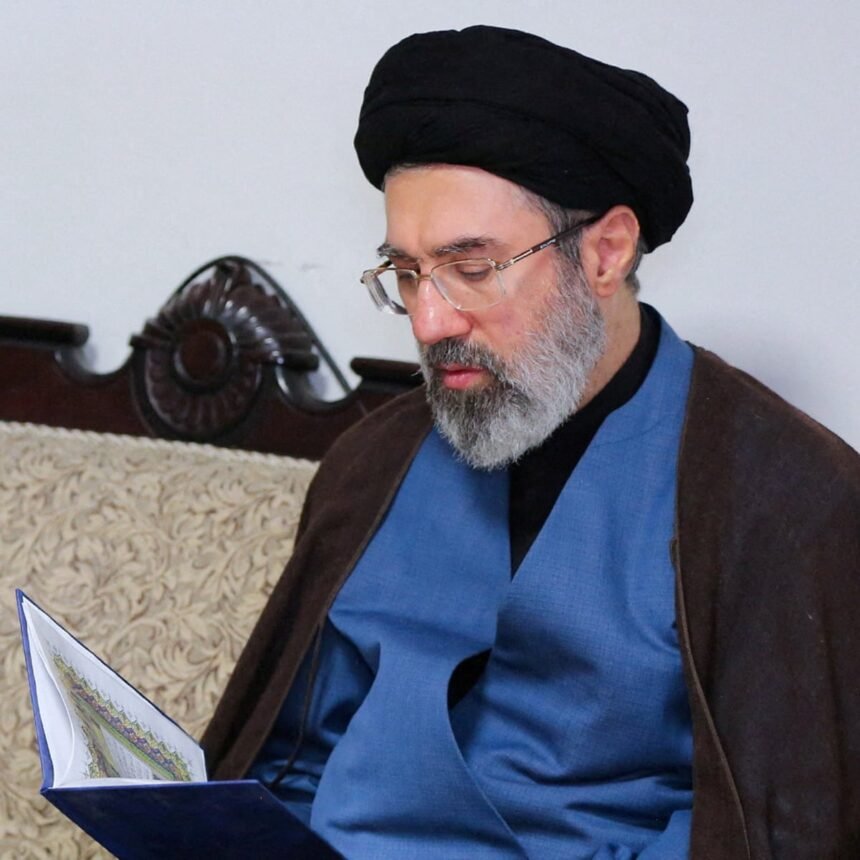
TEHRAN — In a historic and high-stakes power shift, Mojtaba Khamenei has been elected as the new Supreme Leader of Iran, succeeding his late father, Ayatollah Ali Khamenei. The news was confirmed by state media and reported by Al Jazeera on Sunday.
The transition comes in the wake of the devastating US and Israeli airstrikes on Tehran that began on February 28. Ayatollah Ali Khamenei was killed on the first day of the assault, which also reportedly claimed the lives of Mojtaba’s mother, wife, and sister. Mojtaba, the 56-year-old hardline cleric, survived as he was not present at the site during the bombardment.
The Election and Call for Unity The Assembly of Experts, the 88-member body responsible for appointing the Supreme Leader, announced that Mojtaba was chosen through a “decisive vote.” In a televised statement, the Assembly urged all Iranians, especially intellectuals and the elite, to maintain unity and pledge their loyalty to the new leadership.
“At this critical juncture, the nation must stand firm behind the new leadership to navigate the ongoing challenges,” the statement read.
A Hardline Successor with Deep Military Ties Mojtaba Khamenei has never held elected office or faced a public referendum. However, he has long been regarded as one of the most powerful figures within the inner circle of the previous administration. He is known for his deeply entrenched relationship with the Islamic Revolutionary Guard Corps (IRGC), having served in the “Habib Battalion” during the Iran-Iraq War in the 1980s.
His ascension signals a consolidation of power by Iran’s ultra-conservative faction, suggesting that Tehran is unlikely to pursue diplomatic compromises or negotiations in the near future.
Controversies and the ‘New Dynasty’ The appointment has sparked debate both within and outside Iran. Critics argue that Mojtaba’s rise creates a de facto “dynasty”—reminiscent of the Pahlavi monarchy overthrown in the 1979 Islamic Revolution.
Despite his influence, Mojtaba has historically preferred to remain in the shadows. He is rarely seen giving public speeches or Friday sermons; many Iranians have never even heard his voice.
Allegations of Crackdowns and Global Sanctions For over two decades, opposition groups have linked Mojtaba Khamenei to the suppression of dissent. He is accused of orchestrating the IRGC’s Basij militia to crush the 2009 “Green Movement” and more recent nationwide protests. According to the UN and human rights organizations, thousands were killed during crackdowns on January 8 and 9.
Furthermore, Mojtaba is currently under US and Western sanctions. While direct proof of financial transactions is scarce, Western media and outlets like Bloomberg have alleged he manages a multi-billion dollar network through close associates, including links to the now-defunct Bank Ayandeh.
The Question of Religious Rank Technically, Mojtaba holds the rank of ‘Hujjat al-Islam’ (a mid-level cleric), whereas the constitution traditionally requires the Supreme Leader to be an ‘Ayatollah’. However, observers note that his father was also not an Ayatollah when he took power in 1989, leading to constitutional adjustments. A similar religious promotion or legal compromise is expected for Mojtaba to solidify his theological authority.
As Iran continues to face intense bombardment and regional instability, all eyes are now on Mojtaba Khamenei to see how he will lead the Islamic Republic through its most perilous chapter in decades.