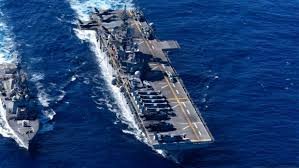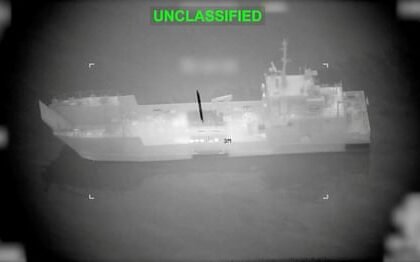



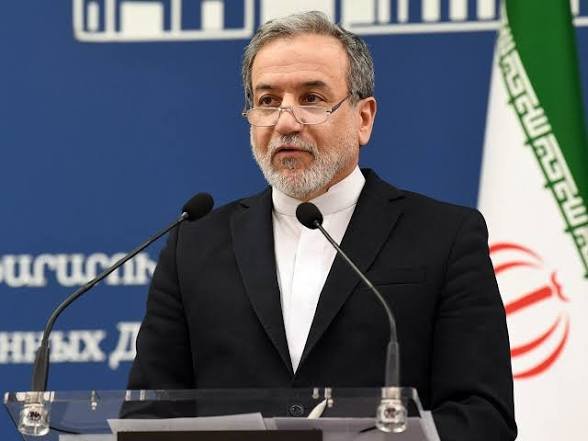
In a high-stakes interview with Al Jazeera, Iranian Foreign Minister Sayyed Abbas Araghchi asserted that Tehran’s policy against the development of nuclear weapons remains in effect, even as the country reels from a devastating 20-day military campaign by U.S. and Israeli forces.
The Fatwa Remains Araghchi referenced the religious decree (fatwa) issued in the early 2000s by the late Supreme Leader, which prohibited the production of nuclear or weapons of mass destruction (WMD).
“Our former Supreme Leader was against the creation of nuclear weapons. We are still adhering to that fatwa,” Araghchi stated. His comments come despite two decades of allegations from Washington and Tel Aviv that Iran’s “peaceful nuclear program” is a facade for a weapons project—a dispute that triggered the current total war.
The Road to ‘Epic Fury’The conflict escalated following the collapse of a 21-day diplomatic marathon in Tehran between U.S. and Iranian negotiators (Feb 6–27). After the dialogue ended without an agreement on February 27:
Operation Epic Fury: Launched by the U.S. military on February 28.
Operation Roaring Lion: Conducted simultaneously by Israeli forces.
The air campaign has been decapitating in its precision. Confirmed casualties include the former Supreme Leader Ayatollah Ali Khamenei, National Security official Ali Larijani, and IRGC Commander Mohammad Pakpour. Over 2,000 Iranians are reported dead, and critical military and civilian infrastructure has been heavily damaged.
Mojtaba Khamenei and the Nuclear Futur With the appointment of Mojtaba Khamenei as the new Supreme Leader, questions have emerged regarding whether he will uphold his father’s anti-nuclear stance. When pressed by Al Jazeera on this transition, Araghchi offered a cautious and legally nuanced response.
“The effectiveness of any fatwa depends on the Islamic jurist who issues it,” Araghchi noted. “I am not in a position to judge the legal or political views of the new Supreme Leader at this time.”
Regional Retaliatio Despite the heavy losses, Iran continues to launch retaliatory strikes. Tehran has deployed waves of drones and missiles targeting Israeli cities and U.S. military installations across six Gulf nations: Saudi Arabia, Qatar, Kuwait, Bahrain, the UAE, and Oman.
The ongoing strikes signal that while the Iranian leadership has been severely weakened, its “Forward Defense” capability remains operational, keeping the entire Middle East on a knife-edge.