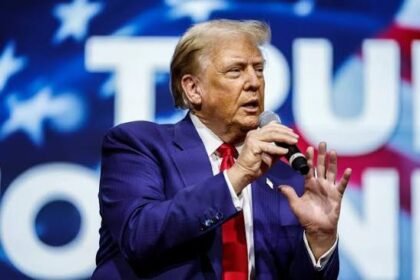



In a move that has stunned global energy markets and military analysts alike, U.S. President Donald Trump announced that his administration is considering a withdrawal strategy from the ongoing conflict in the Middle East. As a first step to curb skyrocketing fuel prices, the U.S. has authorized the release and sale of approximately 140 million barrels of previously sanctioned Iranian oil currently held in tankers at sea.
“Using Iranian Oil Against Iran”
The U.S. Treasury Department confirmed that the move is a tactical measure to stabilize the international market, where oil prices recently surged past $115 per barrel.
U.S. Ambassador to the UN, Mike Waltz, defended the decision in an interview with CNN, describing it as a “temporary, pragmatic measure.”
“This is about protecting the American consumer and the global economy from being held hostage by energy spikes,” Waltz stated. “In essence, we are using Iranian oil against the Iranian regime to blunt their leverage.”
Skepticism in Tehran
The announcement has met with deep suspicion in Tehran. A senior Iranian official told CNN that the Islamic Republic does not take Trump’s “peace overtures” seriously.
The primary reason for this distrust is the contradictory signals coming from Washington:
The Promise: Trump publicly claims he wants to “wind down” the three-week-old war (Operation Epic Fury).
The Reality: Defense officials have confirmed that thousands of additional U.S. troops are currently being prepared for deployment to the region, and precision strikes on Iranian infrastructure continue.
Market and Military Friction
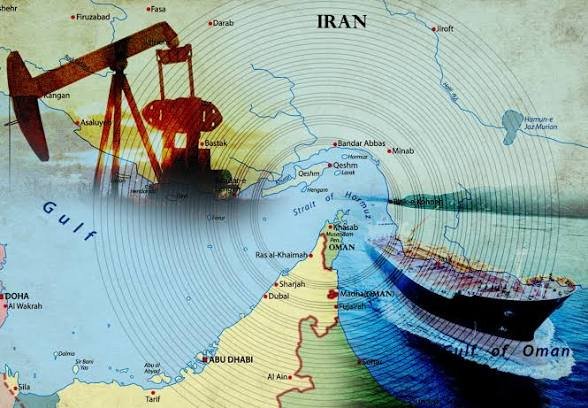
The conflict, which began on February 28, 2026, has already resulted in the deaths of over 2,000 people and the destruction of significant portions of Iran’s naval and missile capabilities. However, the closure of the Strait of Hormuz has created a daily deficit of nearly 14 million barrels of oil, forcing the Trump administration into this unconventional “sanction-lifting” maneuver.
Political analysts note that the administration is facing a “double-edged sword”—trying to achieve a decisive military victory while preventing a domestic economic crisis caused by $6-per-gallon gas prices.